How often should I replace my industrial filters?
Filter replacement frequency depends on several factors including air or water quality, system usage, and contamination levels. Most facilities replace filters between 3 to 12 months. You'll know it's time when pressure drops increase or flow rates decrease noticeably. We recommend checking manufacturer specifications for your specific equipment and monitoring performance monthly.
What's the difference between air and water filtration systems?
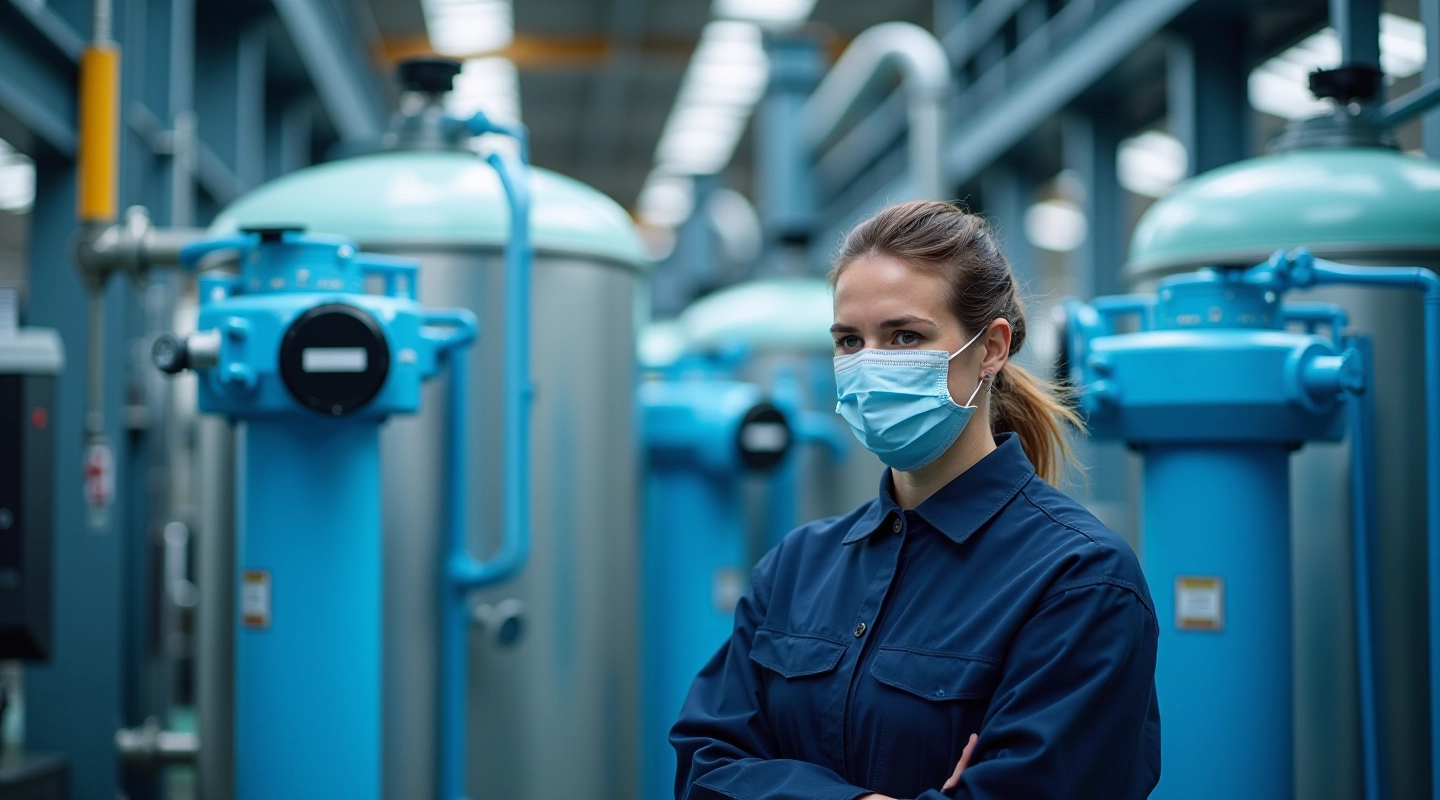
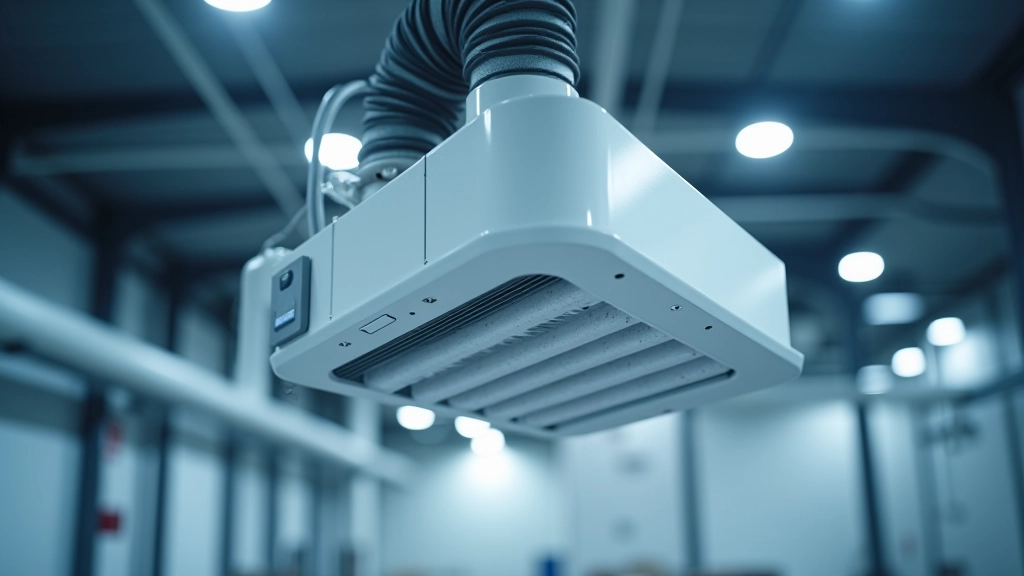
Air filtration removes particles, dust, and contaminants from the atmosphere, while water filtration removes sediment, chemicals, and biological matter from liquids. Air systems use filters like HEPA or activated carbon, while water systems might use sand filters, membrane systems, or activated carbon. The design, materials, and maintenance schedules differ significantly based on what medium they're filtering.
Can I clean and reuse industrial filters?
Some industrial filters can be cleaned and reused, while others are designed for single use. Pleated fabric filters can sometimes be cleaned with compressed air or backflushing, but cartridge filters and HEPA filters typically need replacement. Attempting to clean single-use filters often damages them and reduces effectiveness. Always check your equipment's manual before attempting any cleaning procedures.
How do I know if my filtration system needs upgrading?
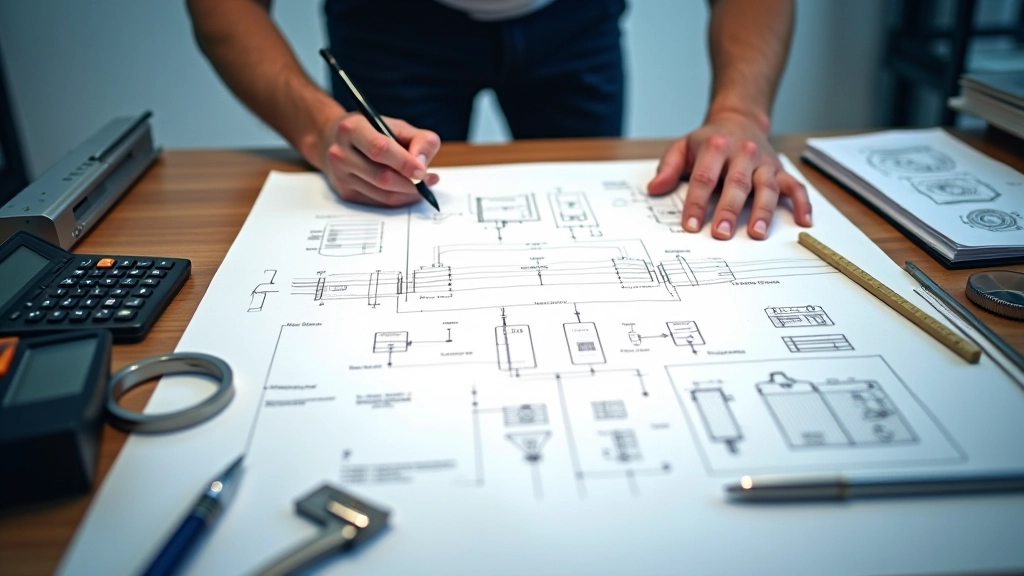
Signs you might need an upgrade include consistently high pressure drops, frequent filter changes, visible contamination reaching equipment, or changing production requirements. If your facility's operations have expanded or your product specifications have become stricter, your current system may not be adequate. A professional assessment can determine if your system matches your facility's current and future needs.