
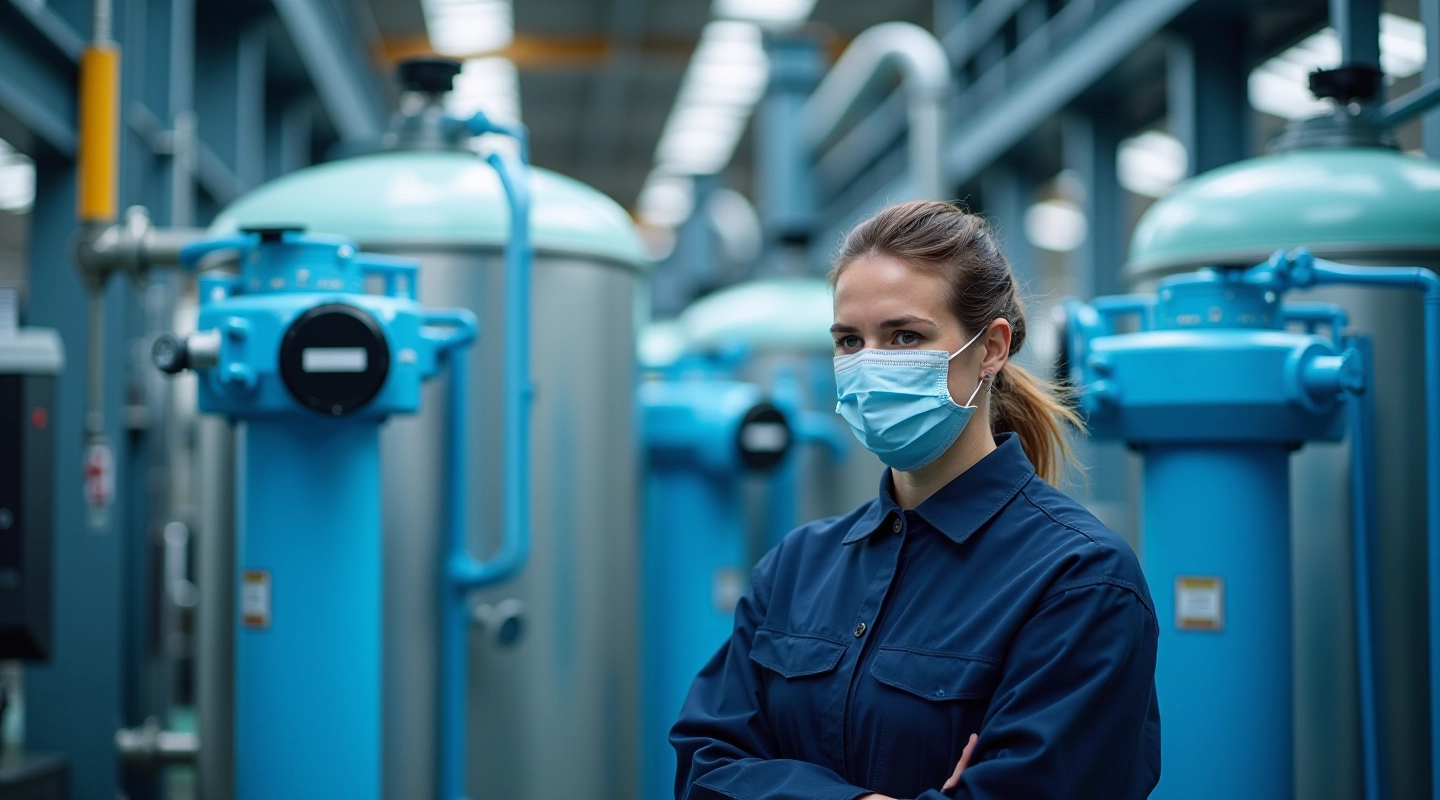
Water Filtration Systems for Manufacturing Plants
Understanding the different types of water filtration technology used in production facilities to protect equipment and product quality.
Keeping your filtration system running efficiently doesn't just happen by itself. You've got to understand when filters need replacing, how to track performance, and what signs tell you it's time for maintenance. We'll walk you through the practical steps that keep your equipment working longer and costing less to operate.

Filter replacement isn't glamorous work. But here's the thing — it's the difference between equipment that runs smooth for years and systems that fail when you can't afford the downtime. Most facility managers we talk to didn't realize how much money they were losing until they started paying attention to their maintenance schedule.
The real cost isn't just the filters themselves. It's the pressure drop that develops when filters get clogged. It's the extra energy your system burns trying to push air or water through a filter that's seen better days. And sometimes, it's the emergency replacement at 2 AM because nobody was tracking when the filter needed changing. You'll want to avoid that scenario.
Not all filters are created equal, and they don't all last the same amount of time. A lot depends on what's actually in the air or water you're filtering. If your facility runs a dusty manufacturing process, your filters will load up faster. If you're filtering relatively clean water, you might get longer life out of each cartridge.
Here's what typically happens: you'll see a steady pressure increase over the filter's lifespan. At the beginning, pressure is low and stable. Over weeks or months, it climbs. When you hit about 3.5 to 4 bar of pressure differential — that's usually when you need to replace. Don't wait until it's 5 or 6 bar. That's when you're really stressing the system.
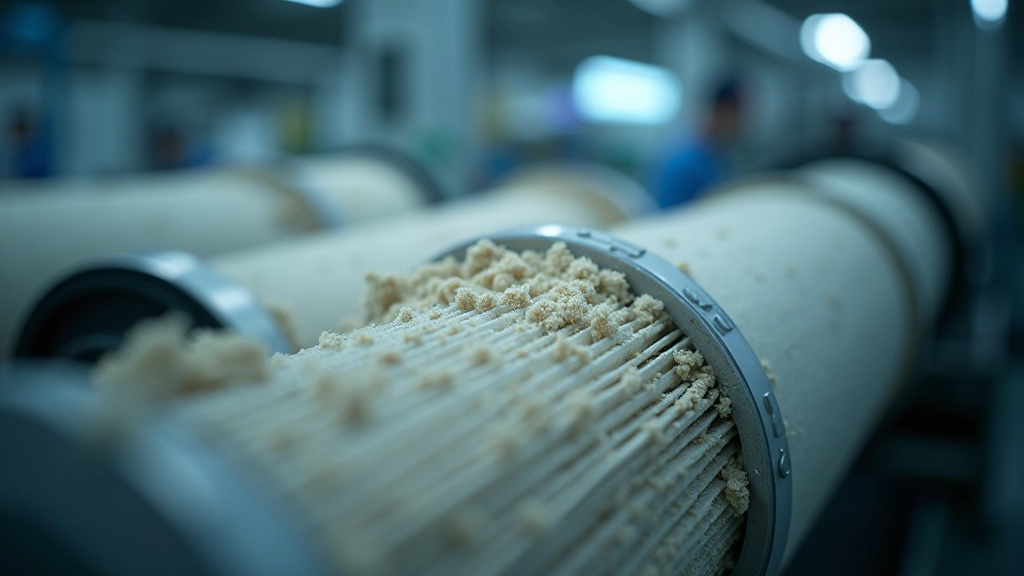

You can't manage what you don't measure. That's why pressure gauges aren't optional — they're essential. Most modern filtration systems have differential pressure indicators built in, but you've got to check them regularly. Some facilities check once a week. Others monitor continuously with digital systems that send alerts.
Digital pressure transmitters are honestly worth the investment. They cost between 150–400 euros depending on the quality, and they'll save you from missing a filter change that could cost thousands in downtime. You'll get a baseline reading when the filter is clean. Then you watch it climb. When it hits your threshold — usually marked in the equipment documentation — that's your signal.
Don't ignore small pressure spikes. If pressure jumps suddenly instead of climbing gradually, something's wrong. Could be a bypass valve opening, could be a leak. Either way, it's worth investigating before it becomes a bigger issue.
You'll want to build a schedule that's based on actual data, not just a calendar. Yes, you should mark replacement dates on your maintenance calendar. But the real trigger is when your pressure differential hits that target number. If a filter lasts 4 months under your specific conditions, that's what you plan for.
Keep a logbook. Write down the date you replaced the filter, the pressure reading when you replaced it, and any notes about the condition. Was the filter absolutely packed with contaminant? Was it only lightly loaded? Over time, you'll spot patterns. Maybe your summer production runs put more load on the system. Maybe certain times of year need more frequent changes. That data is gold.
Pro tip: order replacement filters about two weeks before you expect to need them. Don't wait until pressure is critical and you're scrambling to source a filter on short notice. Having spares in stock is cheap insurance against downtime.

Beyond pressure, there are other signs that tell you how your system's doing. Energy consumption is one. A clogged filter makes your equipment work harder, which shows up in your power bills. If you notice electrical costs climbing steadily over a few months, that's often a sign your filter's getting loaded.
If your system is designed to handle 500 cubic meters per hour and it's only pushing 420, your filter is restricting flow. Measure it regularly at the same conditions to spot degradation early.
Sample what's coming out of your filter occasionally. Is the output getting dirtier? That means the filter's approaching the end of its life and bypass is happening.
A clogged filter generates heat. If you notice the filter housing getting warmer than usual, that's another data point telling you replacement is coming soon.
Some systems develop vibration when filters are nearly blocked. It's subtle, but if you notice unusual vibration, check your filter status immediately.
Editorial Team
Written by the auribell Editorial Team, focused on practical, straightforward information about industrial filtration systems and wholesale supply.
Maintenance schedules aren't complicated, but they do require attention. You're watching pressure, you're tracking when you replaced filters, you're noticing if flow or energy costs change. It's not glamorous, but it works. Most facilities that stick to a solid maintenance program cut their unplanned downtime in half and extend equipment lifespan by 20–30%.
The key is consistency. Pick a system — whether it's pressure-based, calendar-based, or a combination — and stick with it. Write things down. Check gauges regularly. Order filters before you're desperate. Do those things, and you'll avoid the expensive emergency replacements and the frustration of equipment failures.
This article provides general educational information about filter maintenance practices. Specific maintenance requirements vary based on your equipment type, operating conditions, and manufacturer specifications. Always consult your equipment documentation and local regulations before implementing any maintenance program. auribell Editorial Team is not liable for damages resulting from maintenance decisions. Facility managers should work with qualified technicians and follow their equipment manufacturer's guidelines.
Understanding the different types of water filtration technology used in production facilities to protect equipment and product quality.
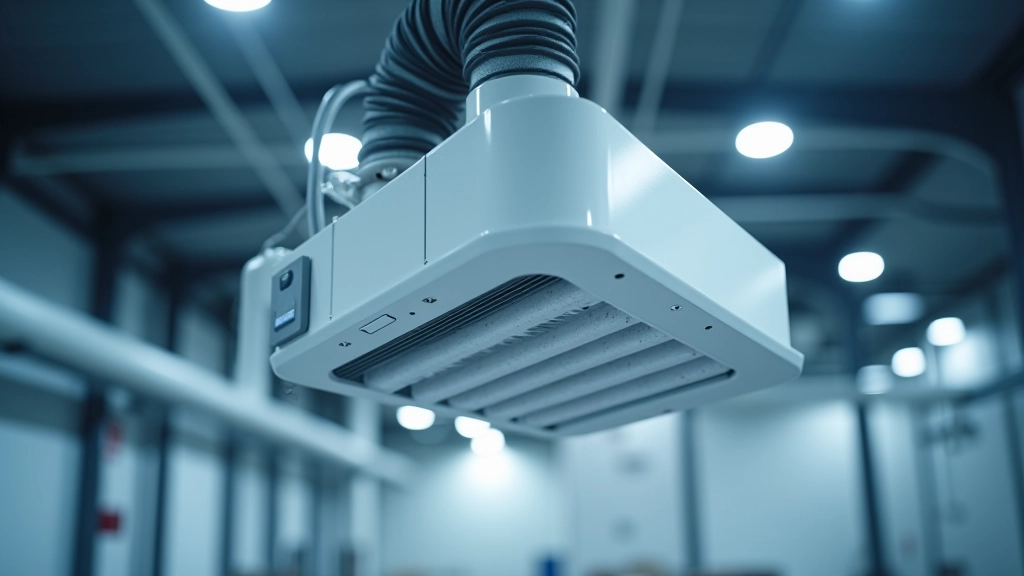
How air filtration systems protect workers and equipment while maintaining production standards and regulatory compliance.
Step-by-step process for evaluating your facility's filtration needs and choosing the right system for your operations.