
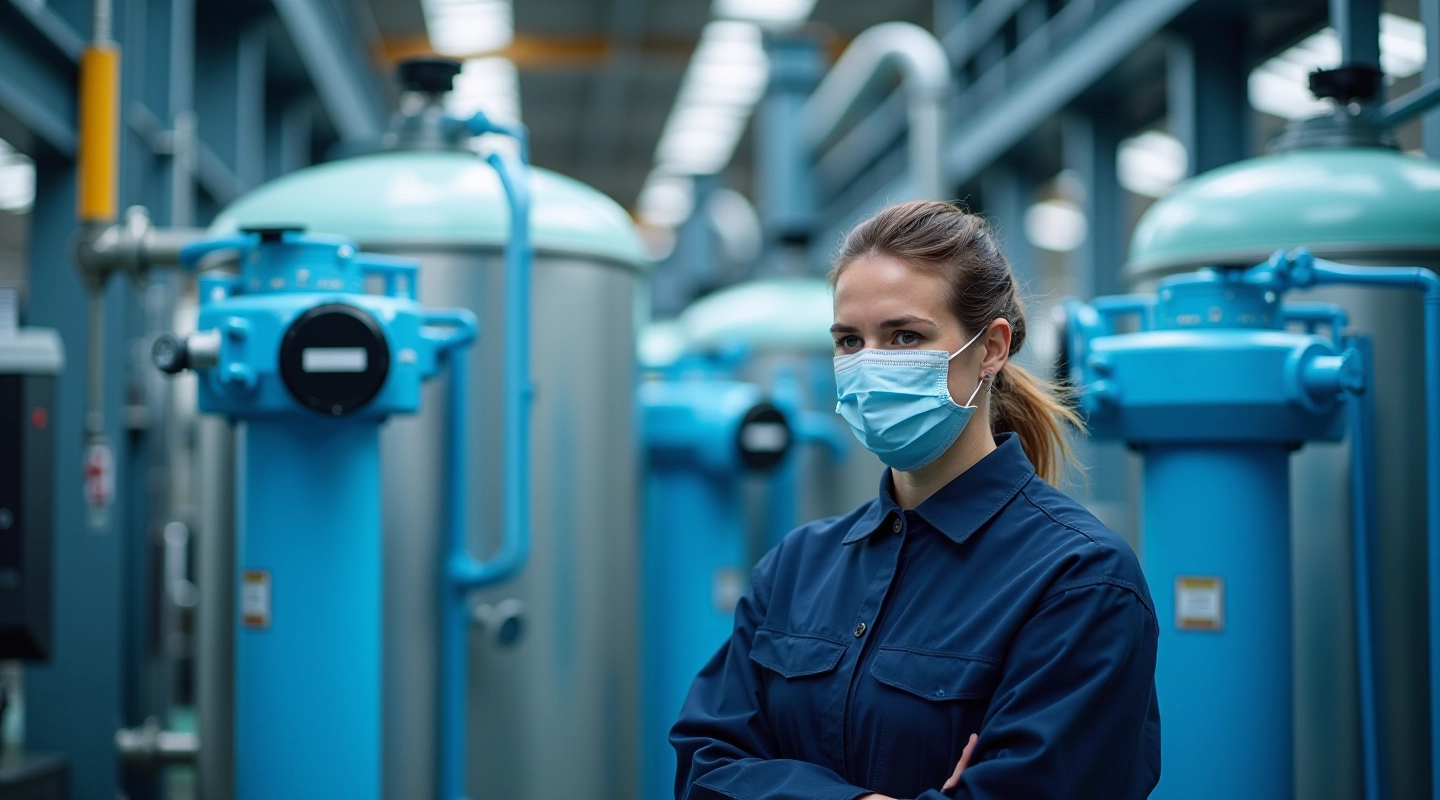
Water Filtration Systems for Manufacturing Plants
Understanding the different types of water filtration technology used in product manufacturing and facility operations.
How air filtration systems protect workers and equipment while maintaining product quality. Learn about HEPA filters, particulate removal, and proper ventilation design for industrial spaces.
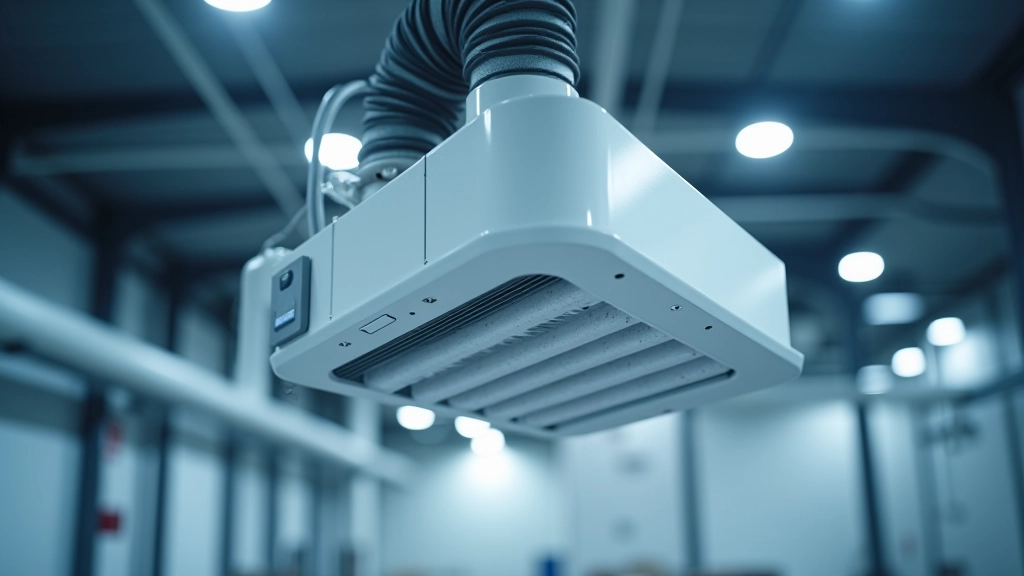
Clean air isn't optional in production facilities — it's essential. Dust, fumes, and particulates damage equipment, reduce product quality, and create unsafe working conditions. The right filtration system keeps everything running smoothly while protecting your team.
We're going to walk you through the basics of air quality control. You'll learn what's actually happening inside those filters, how different systems work, and what to look for when you're evaluating options for your facility.
Modern HEPA filters capture 99.97% of particles down to 0.3 microns — that's smaller than bacteria.
Removing airborne contaminants reduces respiratory issues and keeps your team healthier throughout their shift.
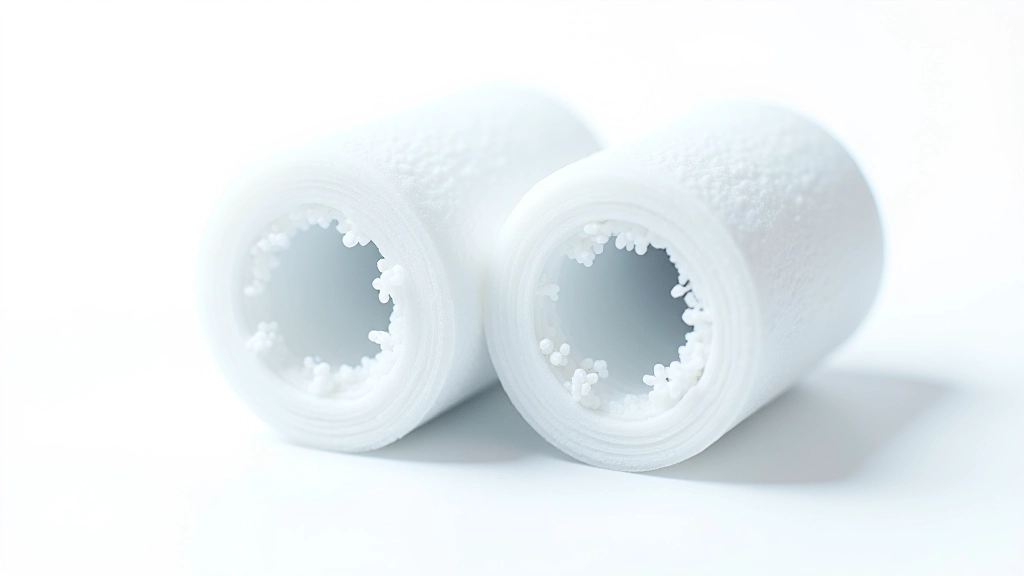
HEPA stands for High-Efficiency Particulate Air. It's become the industry standard because it actually works. The filter media is made from extremely fine fiberglass fibers arranged in a dense maze pattern. When air passes through, particles get trapped — they stick to the fibers or settle into the weave.
Here's what makes it effective: the filtration happens at multiple scales. Larger particles are blocked outright. Medium-sized particles get tangled up. The smallest particles actually collide with individual fibers and stick to them through electrostatic attraction. It's not one mechanism — it's three working together.
Most production facilities run these filters continuously during operating hours. That's 8-16 hours daily depending on your schedule. The filter life typically spans 6-12 months before you'll need to replace it, but that depends on how contaminated your air is to start with.
You can't just throw a filter somewhere and expect it to clean your entire facility. The system needs to move air efficiently. That means designing intake points where contamination starts and exhaust points that push clean air through your work areas.
Most production facilities use a combination approach. You'll have localized extraction right at the source — over welding stations, grinding areas, chemical storage — pulling contamination out before it spreads. Then you've got general ventilation that maintains overall air quality. Together they create what's called "negative pressure" in contaminated zones, which keeps bad air from drifting into clean areas.
Air velocity matters too. Too slow and particles settle before being captured. Too fast and the filter clogs quickly, increasing pressure drop and reducing efficiency. Most systems aim for 400-500 feet per minute through the filter media — that's the sweet spot for capture and longevity.
Captures larger particles (10+ microns). Protects your HEPA filter from premature clogging. Check monthly, replace every 2-3 months depending on dust load.
Does the fine work — 0.3 to 10 microns. Lasts 6-12 months in typical facilities. Replace when pressure drop increases or performance drops noticeably.
Check ductwork quarterly for leaks or blockages. Inspect fans and motors for wear. Keep intake vents clear of debris. Document everything.
Editorial Team
Written by the auribell Editorial Team, focused on practical, straightforward information about industrial filtration systems and wholesale supply.
Air quality control doesn't have to be complicated. Start by understanding what you're dealing with — what contaminants exist in your facility, where they originate, and how they affect your operation. From there, you can design or upgrade a system that handles your specific situation.
The investment pays for itself through equipment longevity, fewer product rejects, and healthier workers who actually show up to work. Plus you're creating a better environment for your team, which matters more than most people realize.
If you're evaluating your current setup or building from scratch, focus on these fundamentals: proper pre-filtration, true HEPA filters, smart air flow design, and a maintenance schedule you can actually stick to. That's the foundation for consistent air quality year-round.
This article provides educational information about air filtration systems for production facilities. It's designed to help you understand the fundamentals and make informed decisions about your facility's needs. Specific requirements vary by industry, facility size, local regulations, and environmental conditions. For technical specifications, compliance with industry standards (ISO 14644, FDA guidelines), or system design consultation, we recommend working with certified filtration engineers and facility experts who can assess your particular situation.
Understanding the different types of water filtration technology used in product manufacturing and facility operations.
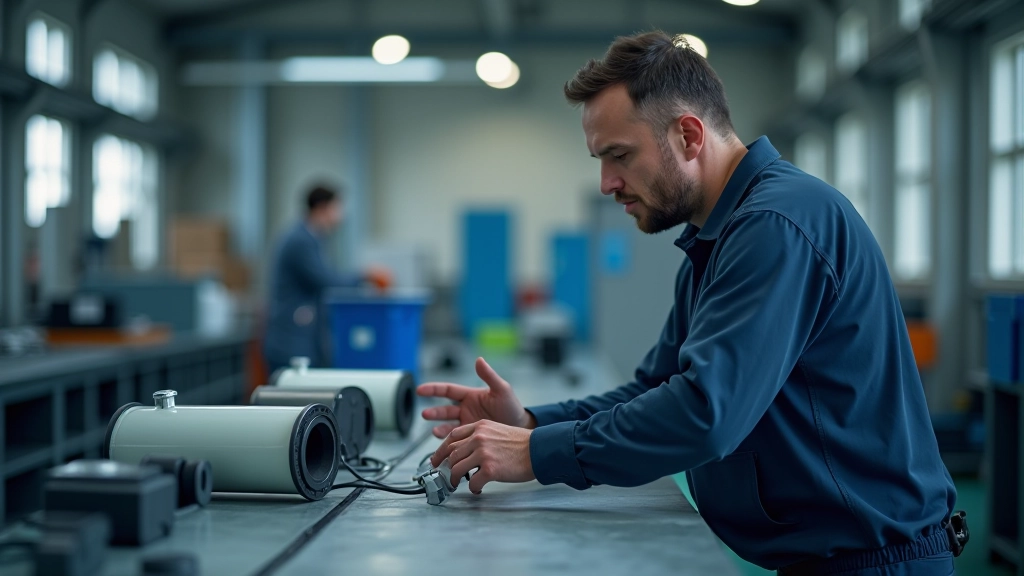
Practical guidance on maintaining filtration systems to maximize efficiency and extend equipment lifespan.
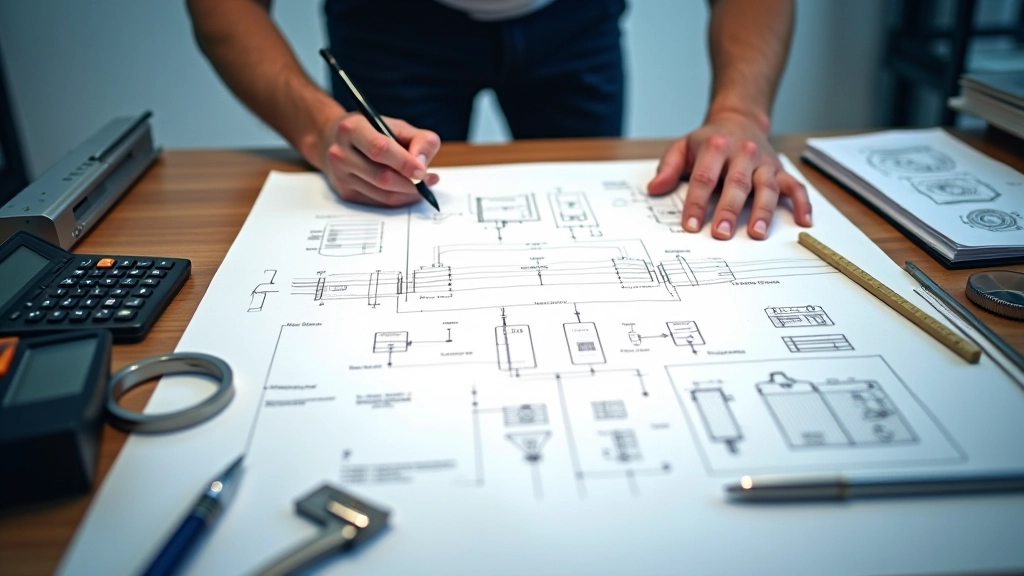
Step-by-step process for evaluating your facility's filtration needs and choosing appropriate systems.