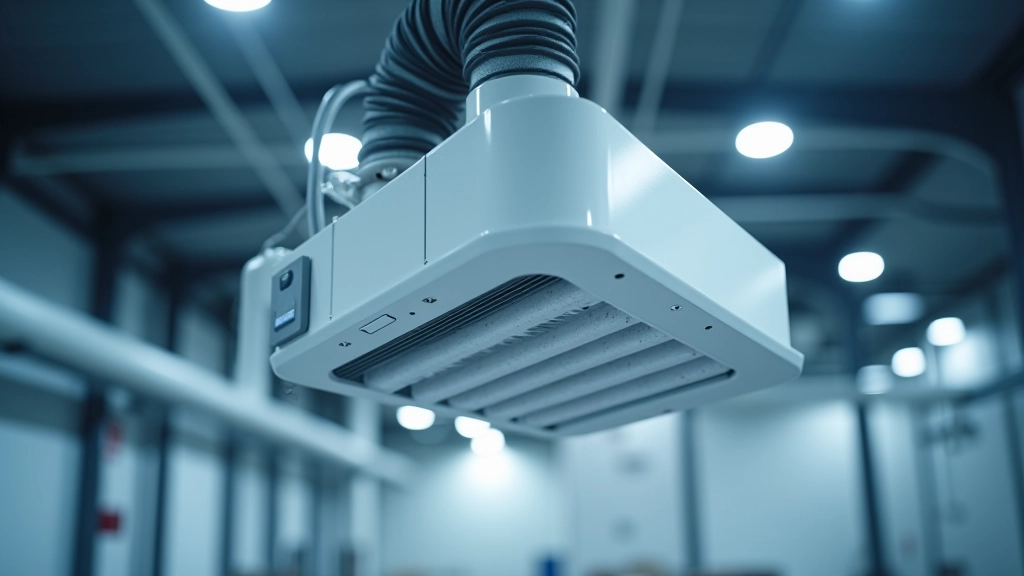
Sediment Filtration: The First Line of Defense
Sediment filters are the foundation of any water treatment system in manufacturing. They're designed to remove particles like sand, silt, and rust that can damage equipment or contaminate your production process. Think of them as the gatekeepers—they catch the big stuff before water moves deeper into your filtration system.
Most plants use sediment filters with micron ratings between 5 and 20 microns. That means they'll catch particles smaller than a human hair. You'll want to replace these every 2-4 weeks depending on your water source quality. If you're drawing from well water or have older pipes feeding your facility, you're probably looking at more frequent changes.
Key consideration: Pre-filtering sediment prevents damage to more expensive membrane systems downstream, saving you money on maintenance and replacement costs.
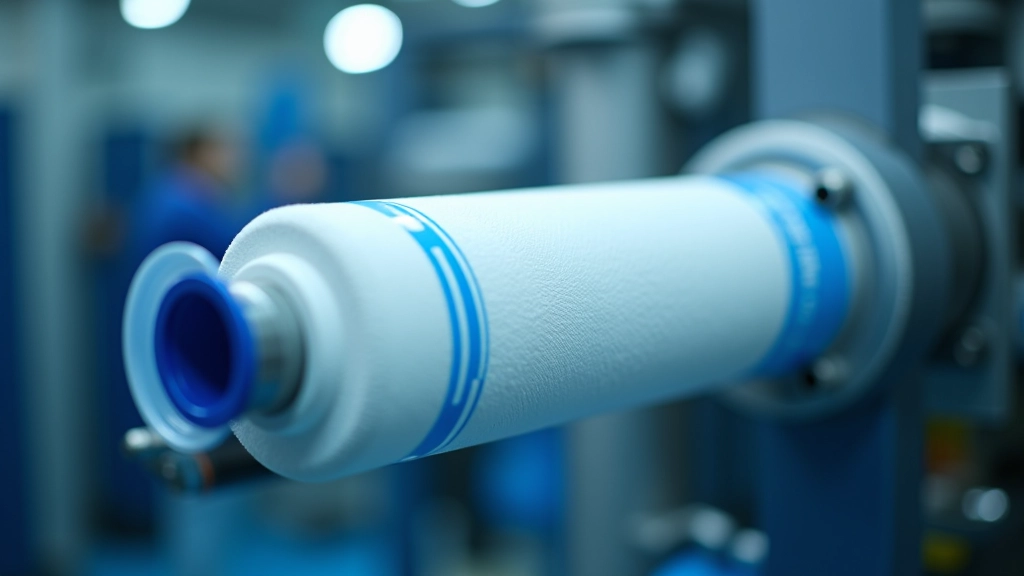
Activated Carbon: Removing Chemicals and Odors
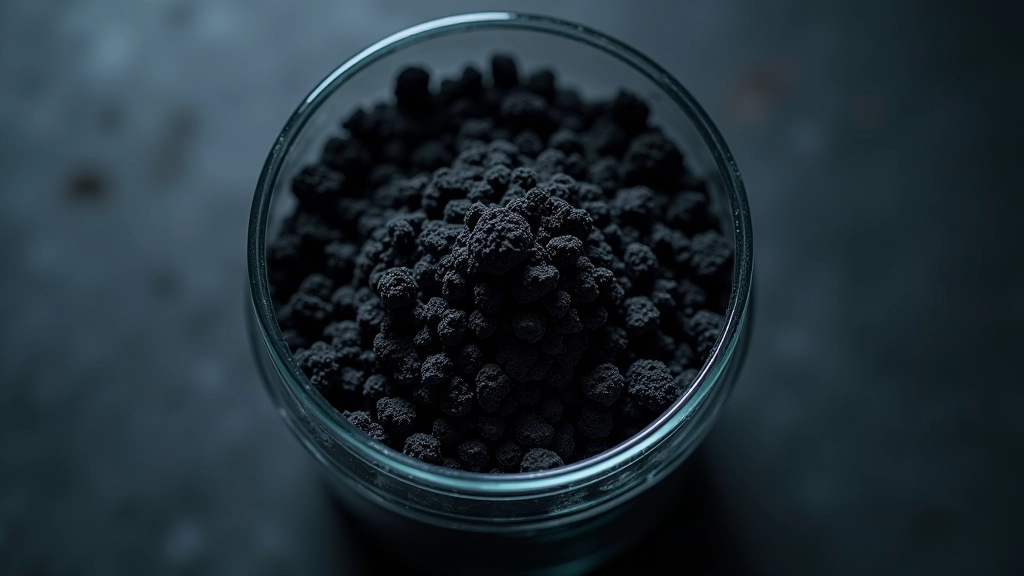
After sediment's removed, activated carbon takes over. It absorbs chemicals like chlorine, pesticides, and volatile organic compounds—stuff that can affect your product quality or create safety issues for workers. Activated carbon works through a process called adsorption, where impurities stick to the surface of the carbon particles.
Here's what you need to know: activated carbon filters typically last 6-12 months before they become saturated and stop working effectively. Don't ignore this timeline. Once the carbon's saturated, it stops absorbing new contaminants. Many plants set up a replacement schedule based on water quality testing rather than just guessing.
Why activated carbon matters:
- Improves taste and odor of cooling water
- Protects sensitive equipment from chemical damage
- Reduces chlorine that can interfere with production
Membrane Systems: Advanced Purification
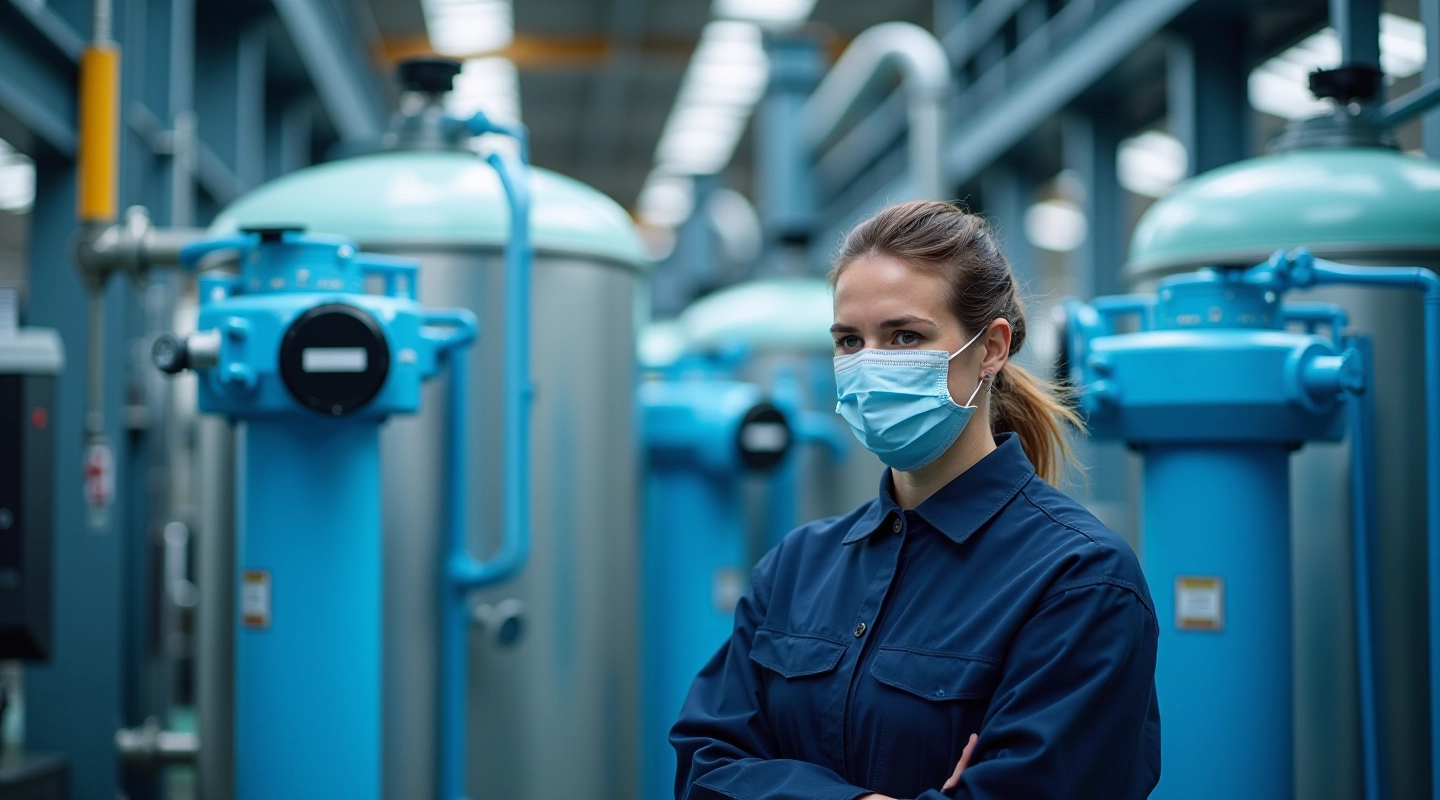
Membrane filtration—particularly reverse osmosis and ultrafiltration—represents the advanced tier of water treatment. These systems use semi-permeable membranes with tiny pores to remove dissolved solids, bacteria, and viruses. If you're running a precision manufacturing operation, this is often what you need.
Reverse osmosis (RO) systems force water through a membrane under pressure, rejecting up to 95% of dissolved contaminants. Ultrafiltration (UF) handles larger particles and bacteria without needing as much pressure. The choice depends on your water quality and what contaminants you're dealing with.
There's a trade-off: membrane systems produce waste water—typically 3-4 gallons of reject water for every gallon of purified water. You'll need a plan for that waste water. Some facilities recycle it for non-critical processes, others treat it separately before disposal.
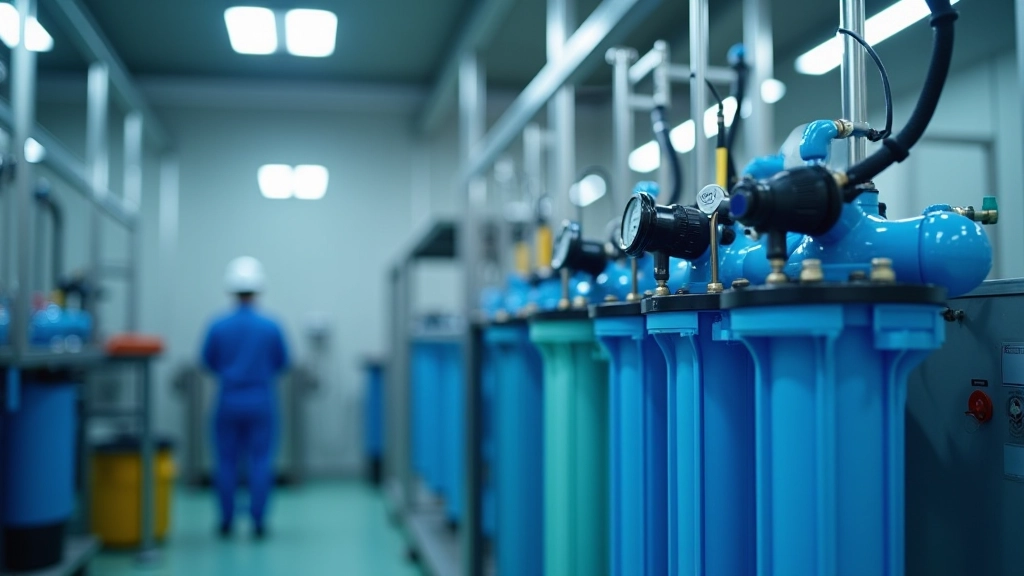
Selecting the Right System for Your Facility

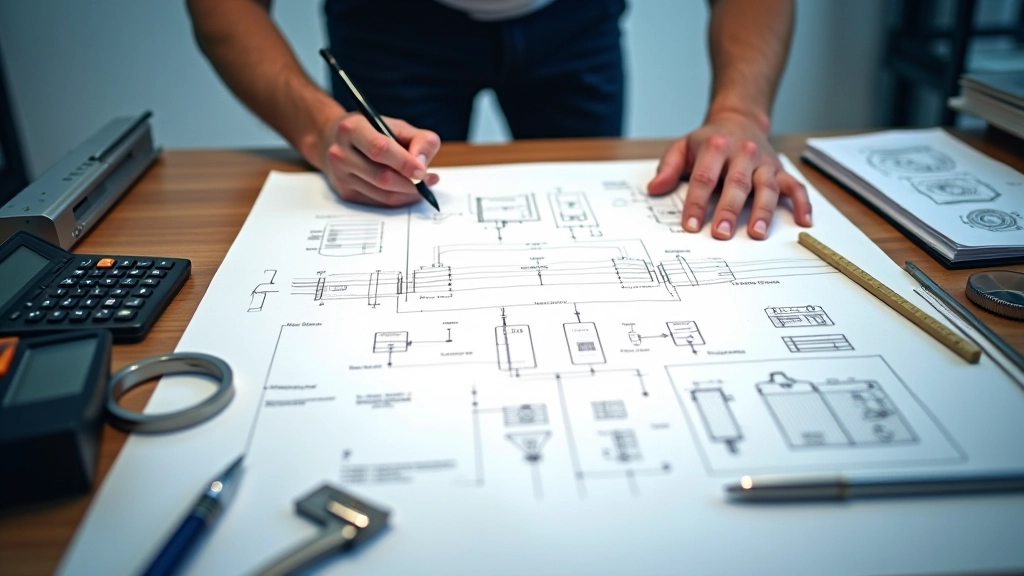
Choosing a filtration system isn't one-size-fits-all. You'll need to understand your incoming water quality first. Get it tested—look at particle count, dissolved solids, chemical contaminants, and microbial content. This information drives every decision about which filters you need.
Consider your production volume too. A system designed for 50 gallons per minute won't cut it if you need 500. Undersizing leads to constant maintenance and poor performance. Oversizing wastes money on unnecessary capacity. Most industrial facilities benefit from a multi-stage approach: sediment first, then carbon, then membrane if needed.
Quick comparison: Sediment filters handle visible particles, carbon addresses chemicals and odors, membrane systems tackle dissolved solids and microorganisms. Stack them together for comprehensive protection.
Maintenance: The Work Behind Clean Water
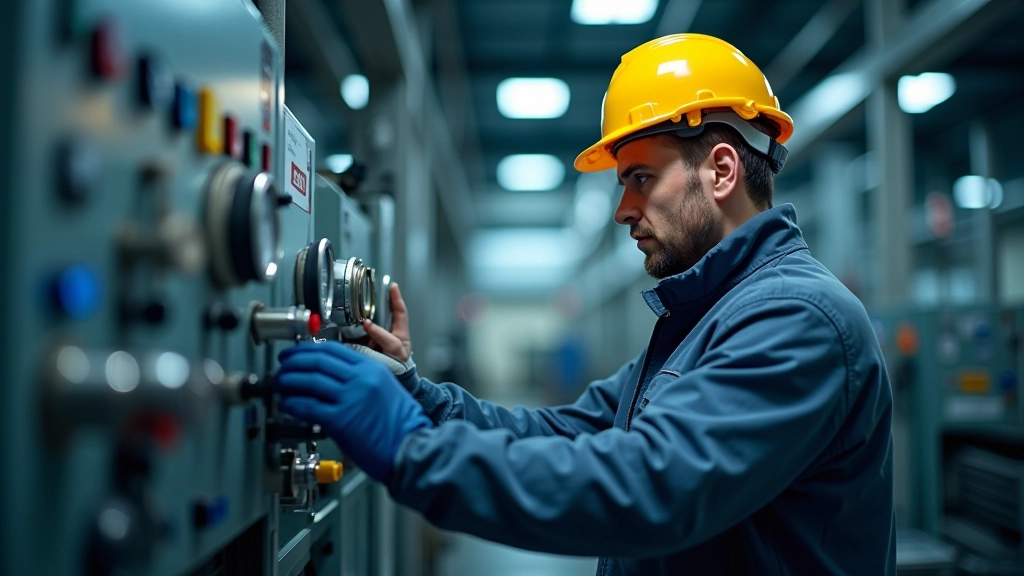
Here's the reality nobody likes talking about: water filtration systems need attention. They're not set-it-and-forget-it equipment. You'll need to monitor pressure gauges, replace cartridges on schedule, and occasionally flush systems to keep them working properly.
Schedule regular maintenance checks—monthly is standard for most facilities. Look for pressure changes, which signal that filters are getting clogged. Keep spare cartridges on hand so you're not waiting around when replacements are needed. Document everything: when filters were changed, water quality test results, any problems you encountered. This history helps you spot patterns and plan ahead.
Partner with a supplier who understands your facility type. They'll help you understand replacement timelines, can provide training for your team, and often have emergency stock available. It's worth paying attention to this relationship because downtime in your water system directly impacts your production.
Getting the Filtration Right
Water filtration in manufacturing isn't complicated once you understand the basic principles. Sediment filters remove particles, carbon filters remove chemicals, and membrane systems handle dissolved contaminants. The key is matching the right combination to your actual water quality and production needs.
Don't over-engineer your system—that wastes money. Don't under-engineer it either—that creates quality problems and equipment damage. Get your water tested, understand what you're dealing with, and build a system that works for your operation. Then maintain it consistently. That's the formula for reliable, clean water in your facility.
Disclaimer: This article is informational and educational in nature. Water quality standards and filtration requirements vary significantly by region, industry, and local regulations. The information provided here is general guidance based on common industrial practices. Always conduct your own water quality testing, consult with local environmental authorities about compliance requirements, and work with qualified filtration specialists to design and implement a system appropriate for your specific facility and location. Requirements in Estonia and other jurisdictions may differ from general practices described here.