
Selecting the Right Filtration Solution for Your Facility
A practical guide to evaluating your facility's unique filtration needs. We'll walk you through flow rate calculations, contamination assessments, space planning, and budget considerations so you can make an informed decision that actually works for your operation.

Why Getting This Right Matters
Choosing the wrong filtration system isn't just wasteful—it's expensive. You're dealing with equipment that'll run 24/7, higher maintenance costs if you miscalculate, and potential production interruptions if the system can't keep up. The good news? It's not complicated once you know what to look for.
Most facilities end up oversizing or undersizing their systems because they don't start with the right data. We've seen operations spend thousands on unnecessary capacity, and we've seen others struggling with systems that barely handle their actual flow rates. This guide walks you through the exact process we recommend.
Flow rate, contamination level, space constraints, and budget form the foundation of your decision.
Time needed for a complete facility assessment before making your final selection.
Calculate Your Flow Rate Requirements
This is where everything starts. Flow rate determines whether your system keeps up or becomes a bottleneck.
You need to know two numbers: your peak flow rate (the maximum volume per minute during operation) and your average operating flow. Don't just estimate. Actually measure what's flowing through your current system, or if you're replacing something, check the existing specs. Most facilities we work with find their actual peak is about 15-20% higher than they initially thought.
Here's the practical approach: Run your facility during peak production hours and measure the flow at your current filtration point. Do this over 3-4 days to get a real average. You'll want peak capacity at roughly 1.25x your measured peak flow—that safety margin prevents undersizing while keeping costs reasonable.
- Measure actual peak flow during production
- Document average operating flow rates
- Calculate required system capacity (peak × 1.25)
- Note any seasonal flow variations
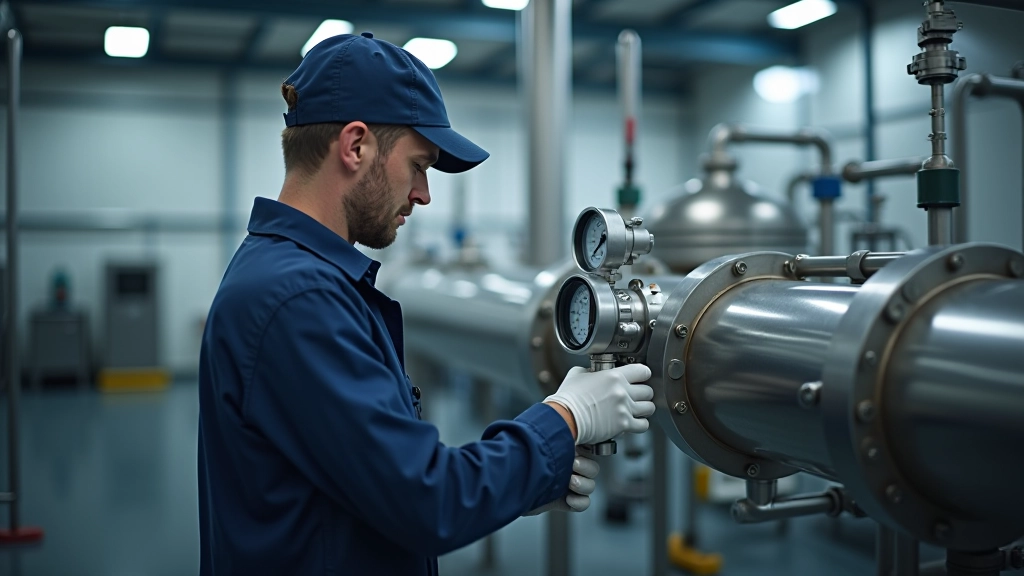

Assess Your Contamination Profile
Not all contamination is created equal. Different facilities have completely different challenges.
You need to know what you're actually filtering out. Is it sediment, oil, particles, microorganisms, or a combination? The size of those particles matters enormously. A system designed for 10-micron filtration won't handle 1-micron contaminants effectively. If you're filtering recycled water, you're looking at different requirements than treating fresh intake water.
Get a water sample tested—or air sample if you're dealing with air filtration. Most industrial labs can give you a contamination profile that shows particle sizes and concentrations. This isn't expensive (usually €80-150) and it'll save you from buying the wrong system entirely. You'll learn the micron rating you actually need and whether you're dealing with high-volume, low-micron work or lower-volume, ultra-clean requirements.
Pro tip: Contamination levels often change seasonally. Summer months might bring higher sediment loads, while winter could mean different challenges. Test during your typical operating season.
Evaluate Space and Installation Constraints
You can't install a system that won't fit. Space planning prevents costly mistakes during installation.
This seems obvious, but it's where we see plenty of problems. Before selecting a system, measure your available installation space. You're not just looking at floor footprint—you need clearance above for filter cartridge replacement, access for maintenance connections, and routing for intake and discharge lines. A system rated for 200 gallons per minute might be physically larger than one rated for 180 GPM depending on the design.
Consider your production flow layout too. Where does the water or air come from? Where does it need to go? The distance matters. Longer lines mean potential pressure drops. You'll want your filtration system positioned strategically—close enough to intake to prevent contamination buildup in pipes, but positioned where installation and maintenance access are practical.
- Measure floor space: length, width, and ceiling height
- Account for cartridge access and replacement clearance
- Plan pipe routing and connection points
- Check for vibration isolation needs


Calculate Total Cost of Ownership
The initial system cost is just the beginning. Operating costs over time matter more than the purchase price.
Here's where people often make mistakes. They see the upfront system cost and choose the cheapest option. But that's not how equipment works. You need to factor in filter replacement costs, energy consumption, maintenance labor, and potential downtime. A system that costs €8,000 initially but runs €500/month in filter changes over five years? That's €38,000 total. Compare that to a €12,000 system with €150/month in consumables—that's €21,000 total. The more expensive system actually saves money.
Get detailed specifications on replacement filter costs and expected service intervals. Ask how often cartridges need changing under your actual contamination load. Talk to the supplier about energy efficiency ratings. Some modern systems use significantly less power than older designs. When you're running something 24/7, those efficiency differences add up fast.
Auribell Editorial Team
Editorial Team
Written by the auribell Editorial Team, focused on practical, straightforward information about industrial filtration systems and wholesale supply.
Making Your Final Decision
You've now got the four core factors sorted: your flow rate, contamination profile, space requirements, and total cost of ownership. That's the foundation for choosing a system that'll actually work for your operation.
The final step is straightforward. Take your measurements and specifications to a few suppliers—don't just go with one. Tell them your requirements and ask for system recommendations with detailed specs and pricing. Compare what they're proposing against your criteria. You'll notice quickly whether they're really understanding your needs or just pushing whatever's easiest for them to deliver.
Ask about warranty coverage, service response times, and parts availability. These matter more than you'd think. A system that goes down and takes two weeks to get serviced isn't much good, even if it was cheap. We've found that facilities who go through this evaluation process end up with systems they're genuinely satisfied with—not because the equipment is fancy, but because it's the right fit for their actual operation.
Need help evaluating options for your facility? Our team can assist with flow rate calculations and system recommendations.
Get in TouchInformation Disclaimer
This guide provides general educational information about filtration system selection. It's designed to help you understand the evaluation process and key factors to consider. Actual system requirements vary based on specific facility conditions, water quality, production processes, and local regulations. We recommend consulting with qualified filtration engineers and conducting proper testing of your water or air before making final purchasing decisions. Always follow manufacturer guidelines and local environmental standards for your region.
Related Resources

Water Filtration Systems for Manufacturing Plants
Understanding the different types of water filtration technology used in product manufacturing and process water applications.
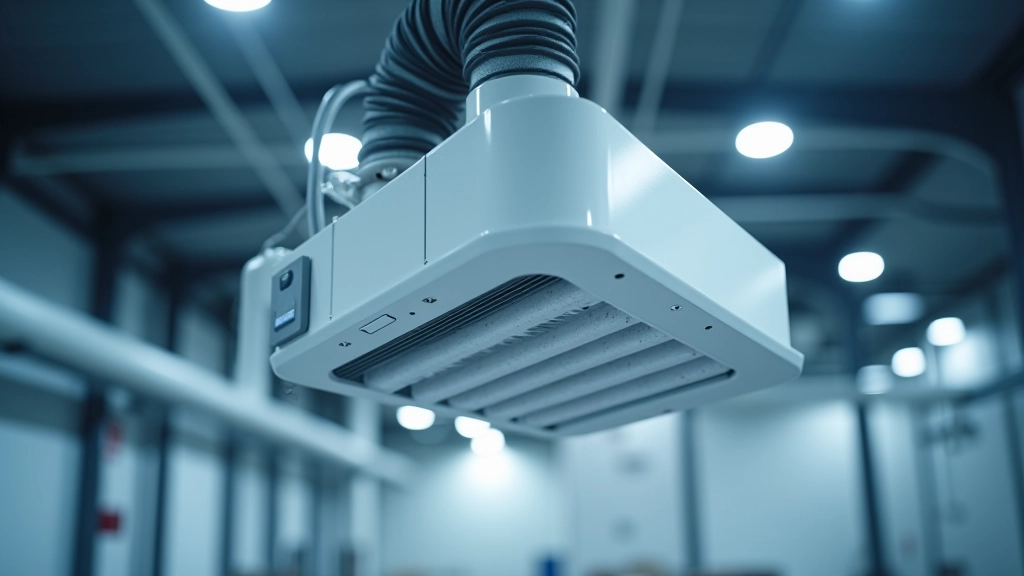
Air Quality Control in Production Facilities
How air filtration systems protect workers and equipment while maintaining production efficiency in manufacturing environments.

Maintenance Schedules and Filter Replacement
Practical guidance on maintaining filtration systems to maximize efficiency and extend equipment lifespan in production facilities.